1286 GW: China's installed capacity of photovoltaic power generation historically surpasses coal power
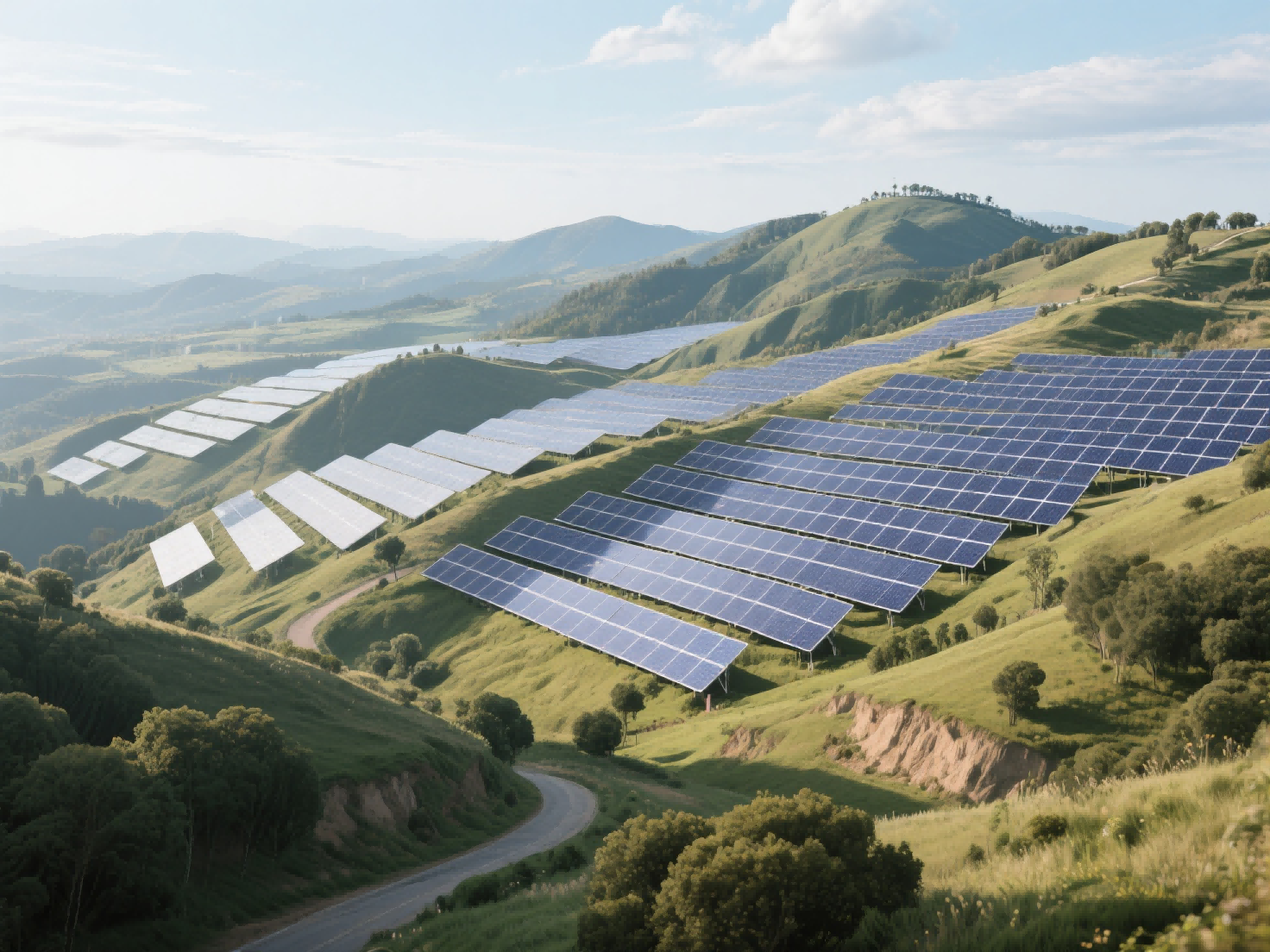
The latest data released by the National Energy Administration today shows that as of the end of July this year, the installed capacity of photovoltaic power generation in China has reached 1.286 billion kilowatts, including 704 million kilowatts of centralized photovoltaic and 582 million kilowatts of distributed photovoltaic. The installed capacity of photovoltaic power generation has surpassed that of coal-fired power generation by 1.285 billion kilowatts for the first time, becoming the largest installed power category in China.
This historic leap has solidified the foundation of the power industry for achieving the 'dual carbon' goal. The power industry is a key area for carbon emissions, and the scale of photovoltaic power generation continues to grow, reducing the carbon emission intensity of the power industry, expanding the supply capacity of green electricity, and providing clean power support for the electrification upgrade of industries, transportation and other fields. "Hao Yingjie, Secretary General of the China Electricity Council, said in an interview with reporters that this also demonstrates China's determination and effectiveness in actively addressing climate change and promoting low-carbon energy transformation, providing valuable Chinese solutions and experiences for developing countries to promote energy transformation.
Liu Zhiqiang, Deputy Director of the Planning and Development Department of the China Electricity Council, stated that this historic leap confirms the competitive advantage of China's entire photovoltaic industry chain. The large-scale installation and application in China further unleashes economies of scale, driving the iteration and upgrading of photovoltaic technology. The vast domestic market foundation has solidified the resilience of China's photovoltaic industry chain and supply chain, consolidating China's leading position in global photovoltaic manufacturing, technical standards, engineering construction, and other fields.
In this context, coal-fired power is accelerating its transformation from a basic guarantee power source to a supporting regulatory power source. Coal power no longer pursues sustained growth in power generation, but pays more attention to playing a flexible regulation and backup role.
Specifically, during the midday period of new energy generation, coal-fired power units actively reduce their power output through deep peak shaving, freeing up space for the consumption of new energy such as wind and solar power; In scenarios where the output of new energy sources drops significantly at night, with cloudy and rainy weather, coal-fired power relies on its fast and adjustable output to timely replenish and stabilize the volatility of new energy sources, ensuring reliable power supply.
Facing the construction of a new power system, Liu Zhiqiang stated that coal-fired power will enhance its regulation capacity and low-carbon level through measures such as flexibility transformation and energy-saving and carbon reduction transformation, forming a complementary and coordinated power supply pattern with new energy represented by photovoltaics.
It is worth noting that the installed capacity does not equal the actual power generation capacity and output. Industry insiders have stated that photovoltaic power generation is subject to the alternation of day and night and meteorological conditions, and has significant intermittent and fluctuating characteristics. Its utilization hours are much lower than coal-fired power, and in the short term, coal-fired power will still be the main supporting power source in China, playing a role in system safety.
The key to truly transforming the advantages of photovoltaic installed capacity into stable and reliable power supply capacity lies in accelerating the construction of a new type of power system. Liu Zhiqiang believes that it is necessary to accelerate the large-scale construction of pumped storage and new energy storage, promote the transformation and upgrading of the new generation of coal-fired power plants, and enhance the system's flexibility and regulation capabilities; Strengthen the construction of a new power grid platform for the coordinated development of main and distribution microgrids, enhance cross regional and cross seasonal power mutual assistance capabilities, and strengthen the acceptance, configuration, and regulation capabilities of large power grids for new energy.
To enhance the reliable substitution capability of new energy, Liu Zhiqiang stated that through technological innovation and system optimization, we will gradually improve the confidence output and peak power generation capacity of photovoltaic power generation, explore diversified development models such as integrated light storage, solar thermal complementarity, and photovoltaic hydrogen production, and promote the transformation of photovoltaics from "watching the sky to eat" to "dispatchable and predictable".
In terms of improving the electricity market and pricing mechanism, Liu Zhiqiang suggests promoting the establishment of an electricity market system that adapts to a high proportion of new energy, guiding the rational allocation and operation of energy storage and peak shaving resources through market-oriented means, improving price mechanisms such as peak and valley time of use electricity prices and capacity compensation, and encouraging various entities to actively participate in system regulation, giving full play to the decisive role of the market in resource allocation.
The industry should focus on key technologies such as efficient photovoltaic cells, long-term energy storage, and intelligent scheduling, promote the deep application of digital technologies such as artificial intelligence and big data in the operation of the power system, improve the accuracy of new energy output prediction and the intelligence level of system operation, and provide technical support for the smooth transition of photovoltaics from supplementary power sources to main power sources, "said Liu Zhiqiang.
Source: People's Daily Online